

Workday: On November 18, Workday announced its intent to acquire Honeydew, a semantic-layer specialist. The planned Workday Honeydew acquisition aims to make analytics and AI agents use consistent, permission-aware definitions; the deal has not closed and no new customer feature is generally available by this announcement.
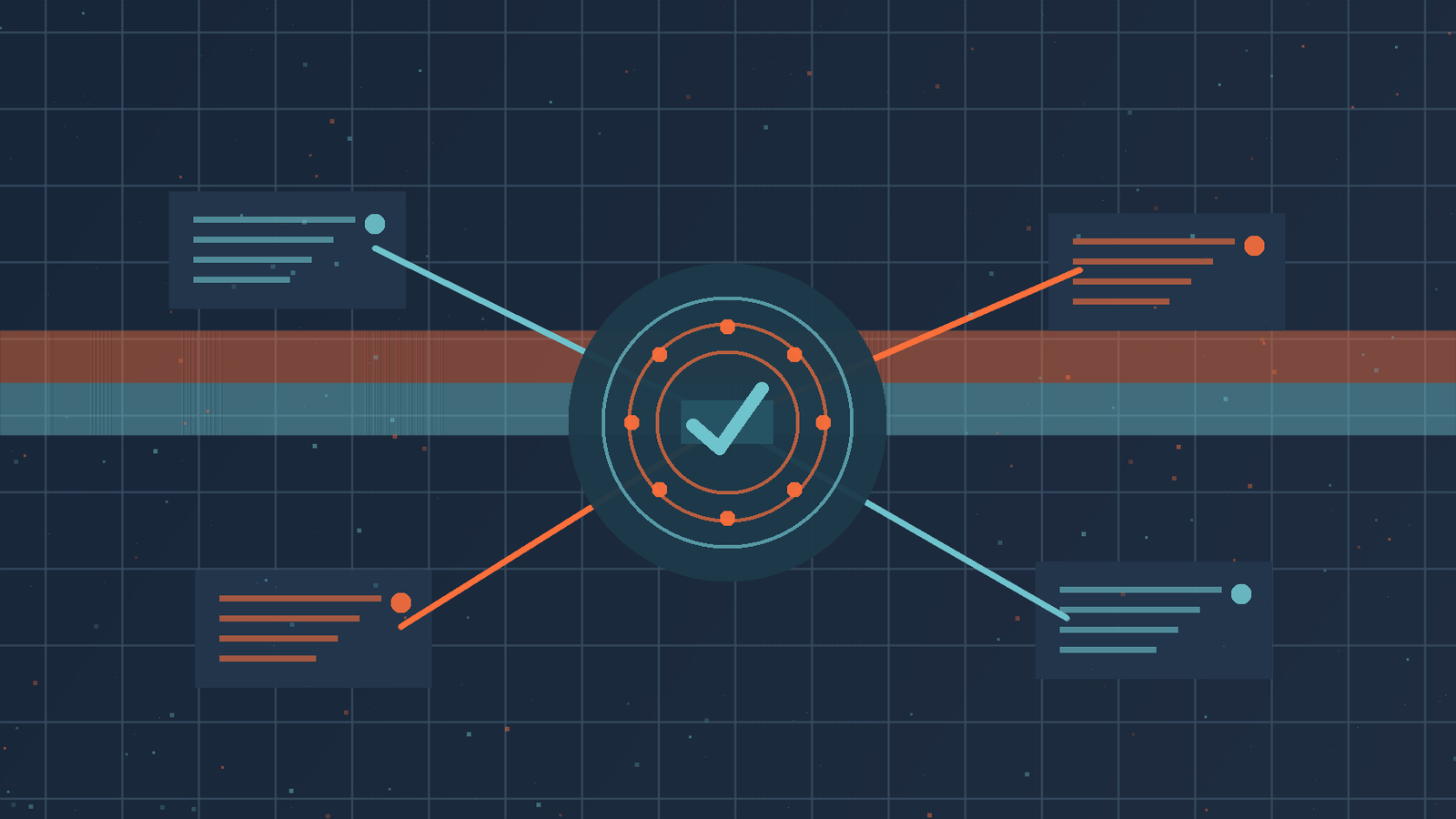
One governed definition, many business questions
Workday wants a semantic compiler inside its data platform so BI tools and AI assistants can reference shared business definitions with permissions. This proposed governed semantic layer is a future capability: the acquisition has not closed and the integration is not released.
What Happened
At Workday Rising EMEA in Barcelona on November 18, 2026, Workday announced an intent to acquire Honeydew, whose semantic layer turns business metric definitions into governed data queries. This is a proposed corporate transaction, not a confirmation that the takeover has closed or that customers can switch on a finished Workday Honeydew acquisition feature today. Workday says the combination with Workday Data Cloud is designed to provide a common business context for dashboards, chat tools and Workday AI agents. For the Workday AI platform strategy, the company expects the transaction to close in the fourth quarter of its fiscal year 2027, which ends January 31, 2027, subject to conditions. The public release does not disclose a purchase price, product SKU, user-tier entitlement or implementation date.
Who Is Affected & When
The announcement concerns large organizations using Workday for finance, HR and enterprise workflows, especially teams that need consistent metrics across business intelligence dashboards and AI agents. A Honeydew semantic layer could matter to payroll analysts, finance controllers, HR data teams and developers, but the joint product is a proposed future capability. Existing customers should not assume that Workday Data Cloud AI access, a new semantic graph or unlimited agent queries is included with current licenses. A Workday HR analytics team or other business intelligence team should confirm its existing tools, access controls and integration architecture before planning around the merger. An acquisition approval and implementation roadmap are still outstanding.
What Changes in Practice
Why consistent business numbers are difficult
A payroll dashboard may define headcount as active employees; a staffing agent may add contractors, and a finance report may include approved vacant positions. The same question can produce different answers even when each calculation follows its own rules. The announced Honeydew semantic layer is intended to capture those definitions and link them to the role and context of a request. Workday analytics must still distinguish one approved metric definition from another; a language model cannot suddenly know what a company means by headcount. Workday business intelligence still needs accountable human owners for each metric.
Move rules out of lengthy AI prompts
Workday describes an AI semantic compiler acting as a semantic layer for AI, translating governed business definitions into deterministic queries before an agent acts. This could reduce repeated schema and SQL instructions in prompts, although no independently measured token-saving benchmark was provided for the combined future product. In the proposed Workday Data Cloud AI architecture, the aim is to keep definitions consistent across different assistant interfaces and analytics products. It is a design intent, not evidence that every external tool can currently connect to a Honeydew-powered Workday deployment.
Permissions and agent data governance
A semantic model must respect what a person or automated agent may see. Workday says the planned integration would carry permissions together with business definitions, allowing authorization checks when requests become queries. Business data governance and agent data governance are central issues: preventing an unauthorized question from turning into an allowed data extract is different from improving answer fluency. Workday AI agents already depend on identity and access policies, and the proposed integration would extend that control to metric interpretation. Specific enforcement coverage remains subject to future documentation and testing.
Live data versus stale dashboard copies
Workday says the future approach would apply governed business definitions directly to live Workday Data Cloud data rather than relying exclusively on snapshots exported into a reporting warehouse. For enterprise AI agents, that distinction could improve timeliness when ledgers, org charts or staffing assignments change. But business metrics consistency depends on data quality, freshness guarantees and the exact integration path. Workday has not published a generally available Honeydew-in-Workday product benchmark, or a production customer reference that proves an end-to-end performance improvement today.
Roadmap, closing timeline and price remain open
The acquisition is expected to close in Workday fiscal Q4 2027, ending January 31, 2027, assuming customary conditions are satisfied. There is no public purchase-price figure in Workday's release, and no new Honeydew semantic layer subscription price or detailed rollout schedule. Enterprise buyers should not treat any speculative estimate as a Workday pricing update. A full integration could require data modeling, permissions review and validation by finance or HR experts. Until Workday publishes availability details, budgeting should use existing contracted services and document future assumptions separately.
| Question | What Workday confirmed November 18 | What remains open |
|---|---|---|
| Transaction | Intent to acquire Honeydew | Closing approval and final completed transaction |
| Product goal | Semantic definitions shared across AI and BI queries | Generally available deployment date and feature entitlements |
| Technology | Planned semantic compiler integration with Workday Data Cloud | Supported external BI tools and exact connector scope |
| Permissions | Governed queries and role-based access are design goals | Independent security testing of the future combined system |
| Business impact | Consistent definitions across dashboard, chat and agents intended | Published real-world accuracy, latency and token-savings data |
| Price | No acquisition consideration or new SKU published | Buyer pricing, contract changes and total cost |
| Timing | Expected Workday fiscal Q4 2027 close | Actual completion date and migration plans |
Why It Matters
Enterprise AI agents cannot make reliable operational decisions from ambiguous definitions. The Workday Honeydew acquisition highlights a change in emphasis from selecting a smarter foundation model to controlling how models interpret company-specific data. If a dashboard, a chat assistant and an automated workflow use different formulas, organizations may make conflicting decisions despite having technically correct source data. A semantic layer for business intelligence can standardize metric meaning across reports and help AI data governance enforce consistent use of approved business definitions. AI business intelligence workflows still cannot independently repair source-data errors or grant models permissions they should not have. The proposed Workday Data Cloud AI enhancement is potentially important for finance and HR teams because the cost of a wrong payroll or workforce calculation can be consequential.
Our Take
DigiOffly sees a strategically interesting proposed deal rather than an immediately purchasable feature launch. Workday business intelligence users, including those evaluating Workday automation, should watch the acquisition close, the documentation of governed queries, actual Honeydew semantic layer support and the effect on existing subscriptions. No basis exists today to promise better agent accuracy, lower spending or universal interoperability. In practical terms, start by defining a small number of critical metrics and agreeing who owns them; then evaluate future Workday AI agents against that controlled benchmark. Enterprise AI agents are only as useful as the organizational rules, data and permission boundaries they follow.
Frequently Asked Questions
Has Workday completed the Honeydew acquisition?
No. Workday announced its intent on November 18, 2026. It expects a close in fiscal Q4 2027, subject to the usual closing conditions.
What is a Honeydew semantic layer?
It is software designed to centralize business definitions and translate those definitions into consistent, governed data queries that can be reused by AI tools and analytics applications.
Can existing Workday customers use the combined feature today?
Workday has described its intended integration with Workday Data Cloud, not a generally available combined product. Customers should ask Workday for an official roadmap and entitlement details.
Will Workday AI agent subscriptions become cheaper?
The release does not state new prices or measured savings. Workday discusses potential efficiency and token benefits, but buyers should not assume a licensing discount or guaranteed cost reduction.
Official Sources & Dates
Workday proposed acquisition announced November 18, 2026; anticipated close in fiscal Q4 2027 (ending January 31, 2027), subject to closing conditions. No combined product availability date announced. Check official updates before purchasing or changing production settings.
- Workday — intent to acquire Honeydew (November 18, 2026)
- Workday Investor Relations — November 18 Honeydew announcement
- Workday — Data Cloud announcement and background
Editorial note: DigiOffly verified dated primary sources. This is not a claim of hands-on testing unless independently documented. Prices and access conditions may change.